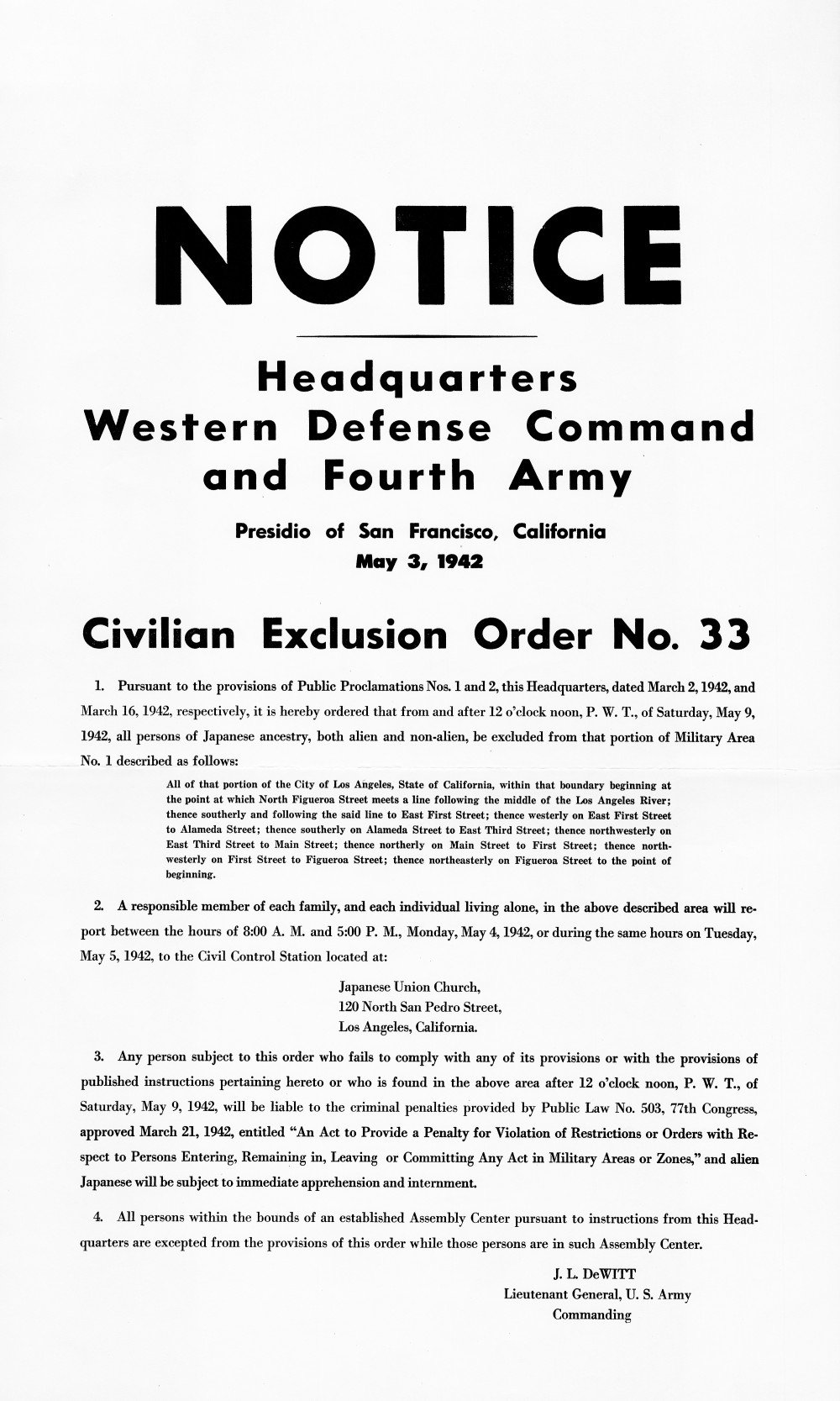
Exclusion order 33, which covered most of Little Tokyo, and ordered all residents of Japanese descent to leave. Courtesy of San José State University Special Collections & Archives
It is hereby ordered that from and after 12 o’clock noon, P.W.T., of Saturday, May 9, 1942, all persons of Japanese ancestry, both alien and non-alien, be excluded from that portion of Military Area No. 1 described as follows…
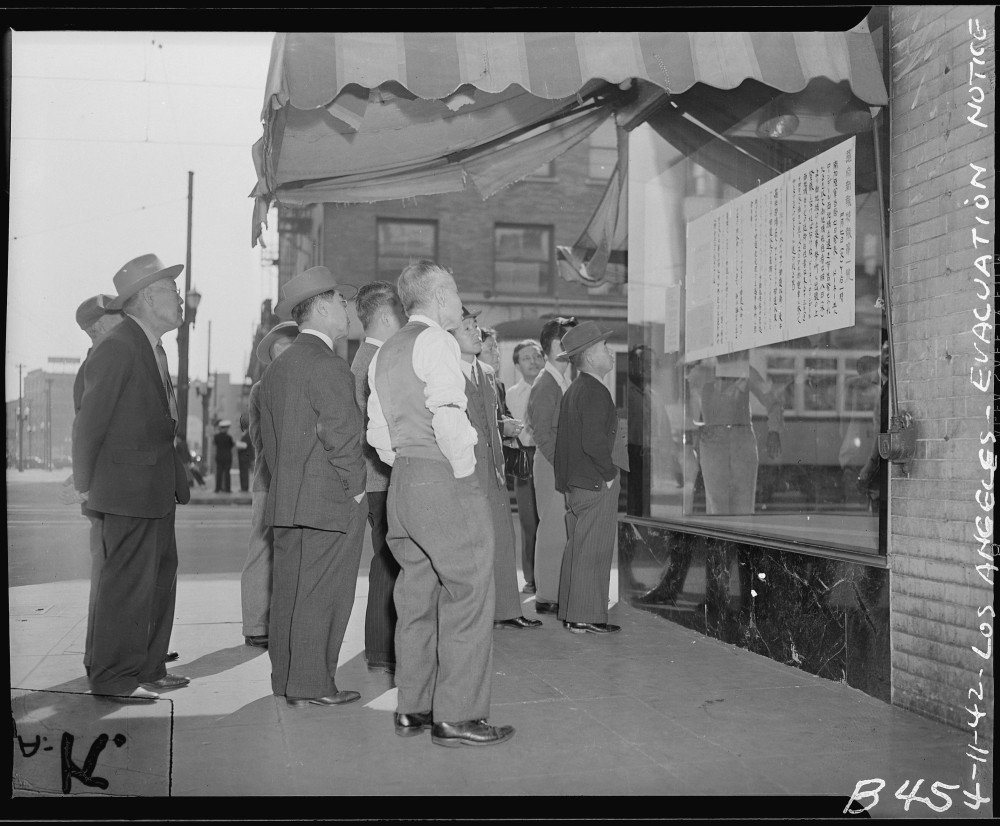
On Saturday May 9, 1942, the lives of Japanese Americans in Little Tokyo, Los Angeles, were forever changed. They had until noon to dispose of their homes and possessions, and then they were forced to leave everything behind—the familiar streets and neighborhoods, their livelihoods, the communities they had built.
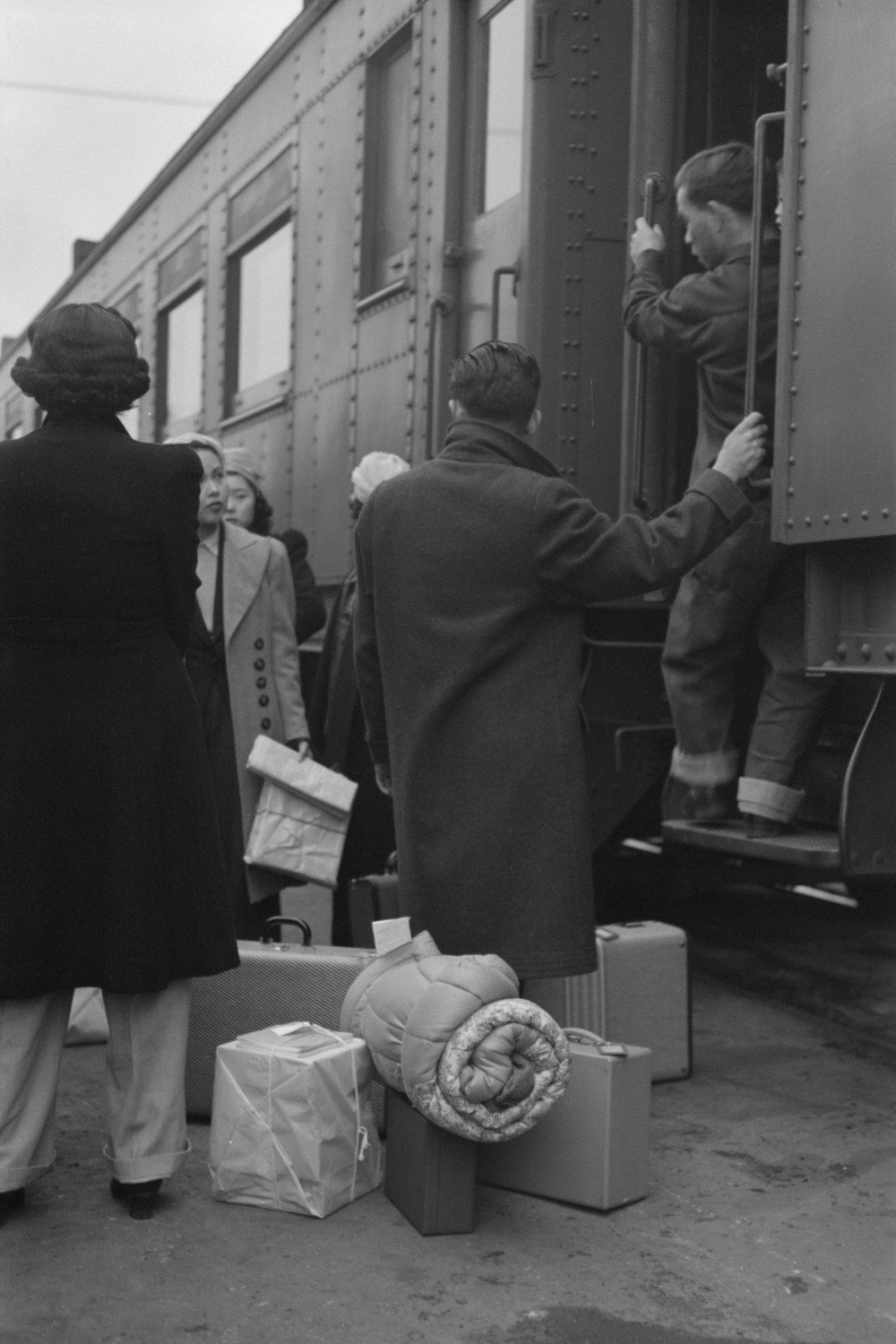
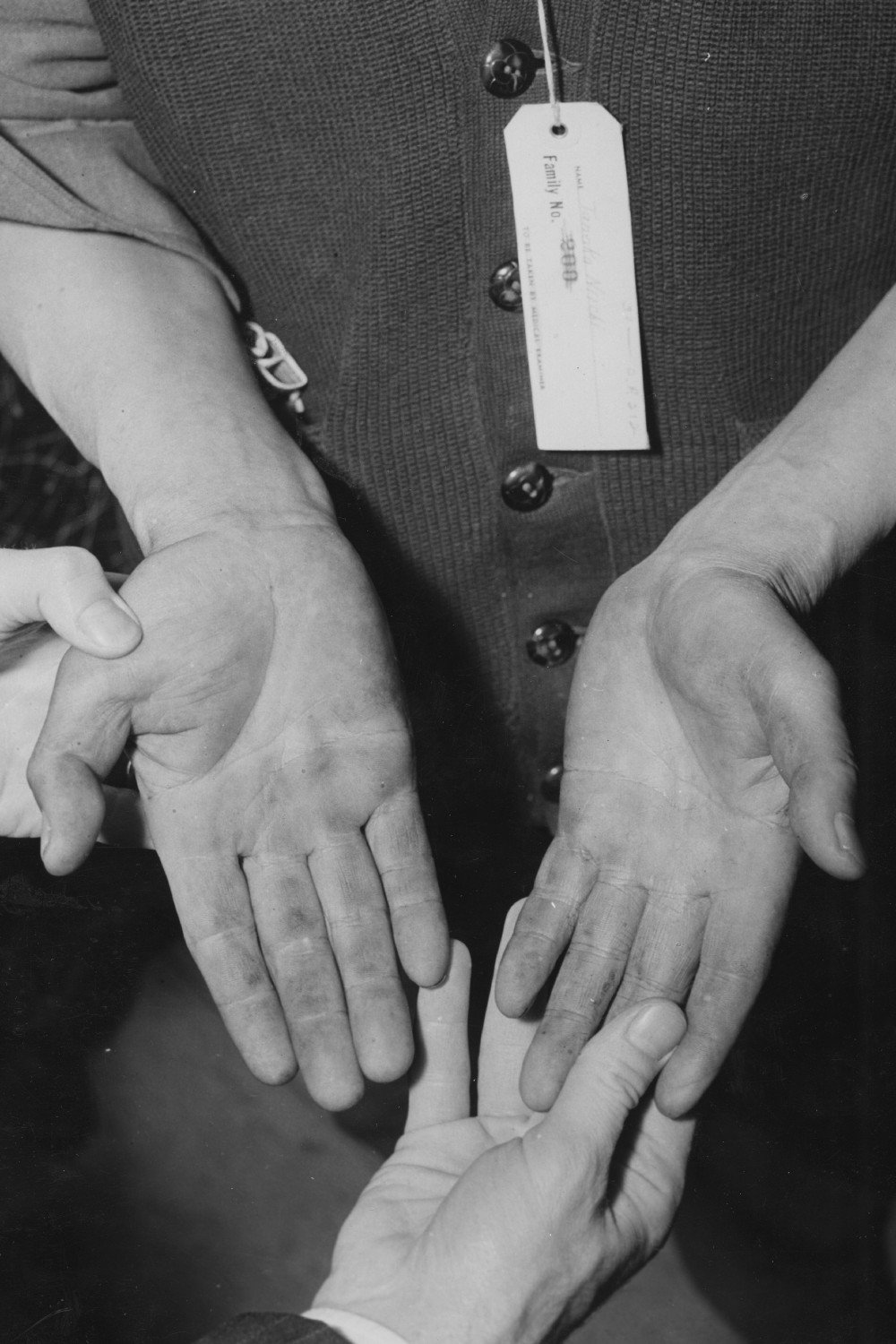
In the euphemistic language of U.S. government policy, the 37,000 Japanese Americans then residing in Los Angeles were “evacuated” to “relocation centers.” In reality, they were among some 120,000 individuals all along the West Coast who were loaded onto buses and trains and shipped off to concentration camps where they would live for years, in some cases until after the end of the war.
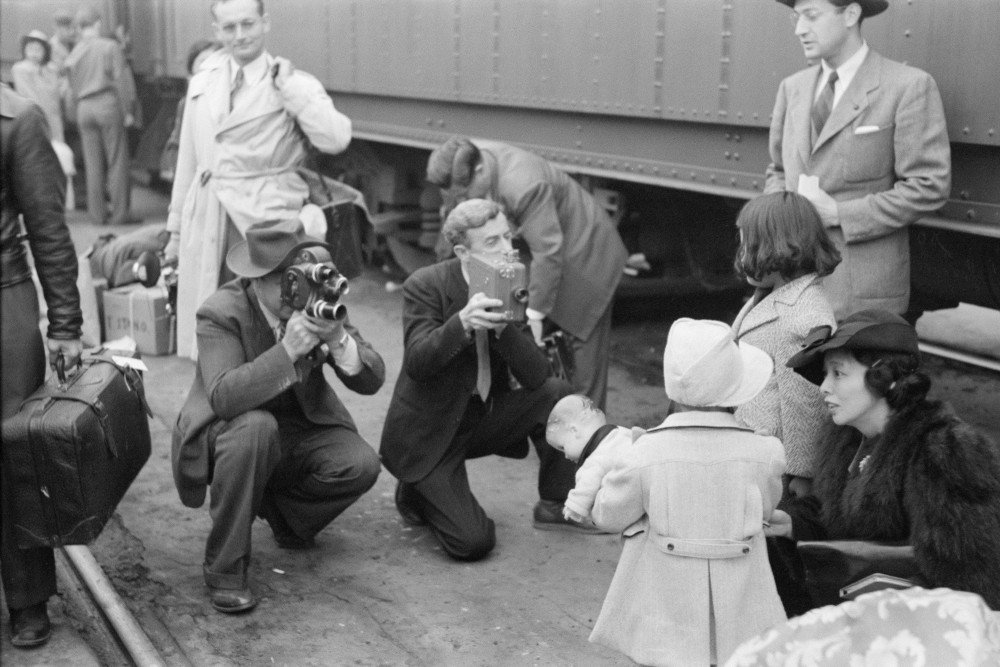
The forced expulsion of Americans of Japanese descent was extensively documented by professional photographers. A few photographs of families and individuals standing among suitcases and bags, waiting to be taken to the camps, have come to stand as icons of the incarceration. But as renowned Japanese media artist Masaki Fujihata’s ambitious and affecting public art project demonstrates, the archive deserves and repays more focused attention.